
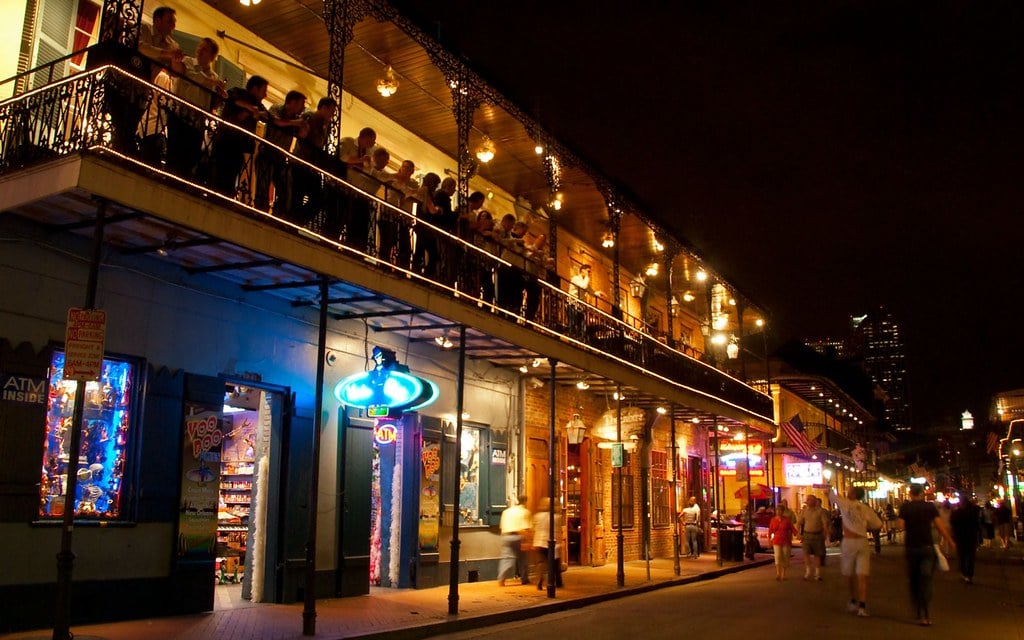
Most people go to New Orleans for the food. What they end up describing afterward, however, is the sound.
The brass bands on Frenchmen Street are part of that sound. Another part is the way every good restaurant, café, and corner bar in the city curates its music as carefully as its menu. Once you start noticing, you can’t stop.
It’s one of those small details that determines how a place feels before you can explain why. Read on to find out where to hear it, how much a night out costs, and how deliberate it is.
Frenchmen Street: Where the Sound Is the Point
Frenchmen Street is located in the Faubourg Marigny, a short walk downriver from the French Quarter. Locals will send you there when you ask about the best music venues. Bourbon Street gets the tourists and the daiquiri bars. Frenchmen gets the jazz.
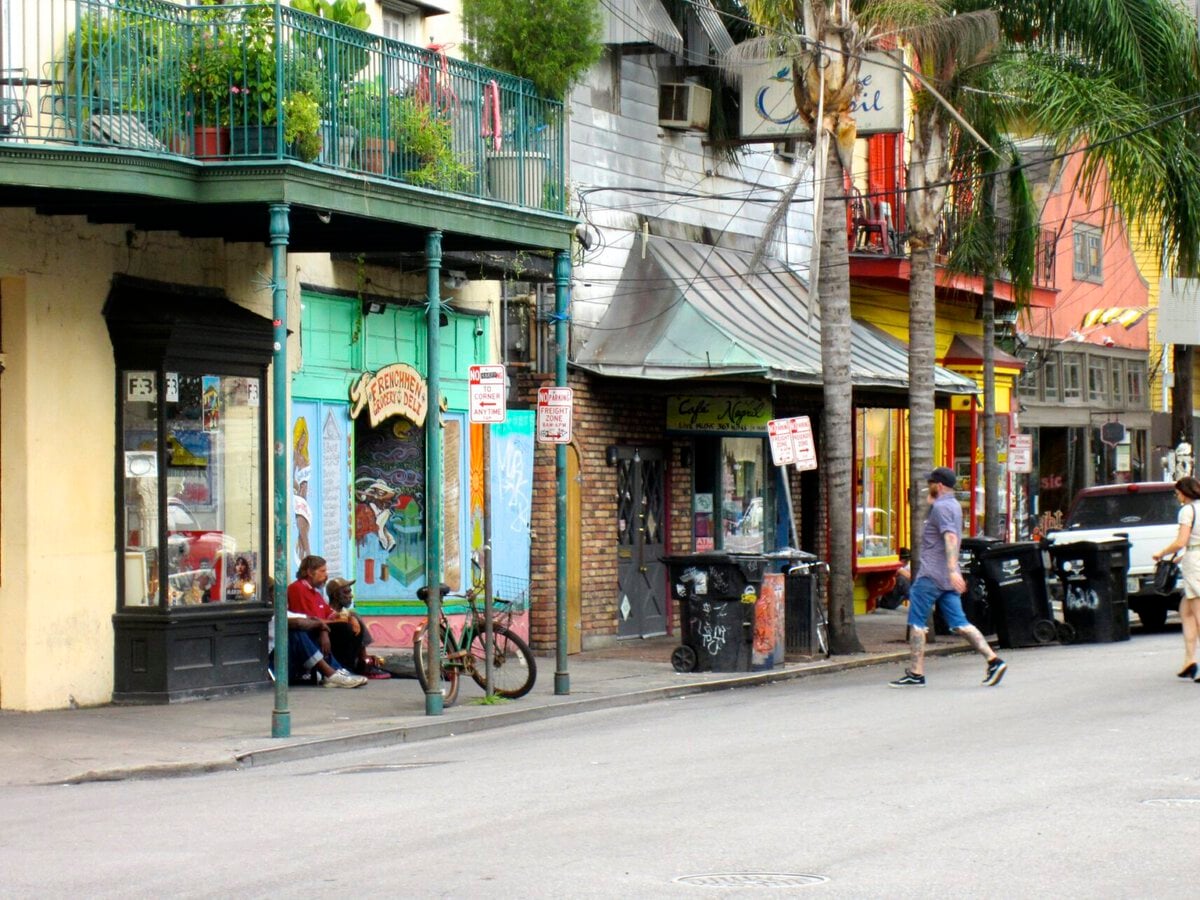
The strip runs about three blocks and has the highest concentration of live music venues in the city. There’s Snug Harbor, the Spotted Cat at 623 Frenchmen Street, d.b.a. across the street at 618, the Blue Nile at 532, Café Negril, and the Maison. You can settle into one of them for the whole night, and many are worth it.
A better approach is to arrive without a plan. Music spills out of open doorways along the entire strip, so you can walk until something catches your ear. At the Spotted Cat, the band plays on a low stage against the front window. People on the sidewalk press up against the glass to watch, as the band is close enough. The rooms are small, the bands often play for tips rather than a fee, and nobody here treats the music as background noise.
That’s what’s great about Frenchmen Street. The music leads, and the food follows. Go hungry, go late, and don’t overplan the evening. The best sets will find you.
Before You Go
Most venues on the Strip do not charge a cover fee, though a small door fee may be collected on the night of the event. Several venues are cash only, so be sure to carry small bills for the tip jar as well as for the bar. The Frenchmen Art Bazaar is set up outdoors starting at 7 p.m. Most clubs are for guests 21 and over, though a few allow younger visitors until a certain time.
The street starts to fill up around 9 p.m., getting especially crowded on Fridays and Saturdays. If you arrive at 6 or 7 p.m., you can walk into almost any room and choose where to stand.
Tip: Skip the places with someone out front waving you in. The rooms worth your time never do. Head to the bar full of locals rather than bachelor parties, and let the touts keep the sidewalk.
Mornings Belong to the Cafés
Come morning, the mood shifts completely. In the French Quarter and along Magazine Street, New Orleans’ café culture exceeds expectations, and the atmosphere changes with it.
Café du Monde is famous for its beignets, powdered sugar, and long lines, and it’s worth visiting once. Three beignets cost $4.53, and a hot café au lait starts at $3.60. Cash only. The original stand, located at 800 Decatur Street, has been serving customers since 1862. It now opens at 7:15 a.m. and closes at 11 p.m. from Sunday through Thursday and at midnight on Fridays and Saturdays. The old saying that it never closes is out of date, so check the clock before planning a 2 a.m. beignet run.
The smaller places are the best. A good coffee house off Magazine Street will have something warm and running low, an old soul with a little jazz underneath—the kind of place that makes you order a second cup and stay another hour.
Magazine Street runs six miles from Canal Street to Audubon Park, so pick a stretch rather than trying to walk the whole thing. The blocks between Washington Avenue and Napoleon Avenue have the most shops and coffee houses.
The good cafés understand that the music does quiet work. It sets a pace. It tells you, without words, whether this is a place to hurry through or a place to linger. Those that get it wrong lose you just as quickly, whether it’s a radio station with ad breaks or an uncomfortable silence.
Evenings in the Marigny and the Bywater
New Orleans is a city built for evenings. As the temperature cools down, courtyard gates open, corner bars prop their doors onto the sidewalk, and the entire neighborhood comes alive.
The dive bars downriver are where the city sounds most like itself. There’s no cover charge or fuss. The music matches the mood exactly: upbeat without being overbearing. It’s the kind of place that gets strangers talking at the bar. That easy conversation is a New Orleans specialty, and good music makes it possible.
If you’re looking for a place to start, Vaughan’s Lounge in the Bywater has been open since 1959 and still has live music on Thursday nights (cash only). B.J.’s Lounge, around the corner, has regular live music performances and outdoor seating. Bacchanal, located on Poland Avenue, started as a wine shop and added a backyard where bands perform most nights.
Three genuinely different moods are a morning café, an evening courtyard, and a late-night jazz bar. The rooms that work best match the music to the moment.
Why the Good Rooms Sound Deliberate
Someone chose that playlist, and a whole industry sits behind that choice.
In the United States, any venue that plays recorded music in a public space needs a public performance license. Personal Spotify or Apple Music accounts do not cover commercial use. Four organizations collect royalties: ASCAP, BMI, SESAC, and GMR. Bars and restaurants work with licensed music services, and the better ones schedule different stations for breakfast, lunch, dinner, and late night, rather than leaving one playlist playing for fourteen hours straight.
This means that the second cup of coffee you didn’t plan to order was influenced by a decision someone made about tempo and volume weeks before you sat down. If you are curious how much the right music shapes a great meal out, the operator’s side of the argument is worth ten minutes and it explains most of what you are hearing in the room.
How to Find the Good Ones
You don’t need a guidebook for this. You just need to trust your ears. There are four rules that apply in most cities, and they hold up particularly well here.
Follow the sound, not the signs. In the Marigny, especially, the best music comes from the smallest doors. Wander and listen.
Judge a café by its volume. If you have to raise your voice, the music is too loud. The good ones strike a balance between music and conversation, creating a warm atmosphere where you can still talk.
Go where the locals go. New Orleanians have no patience for a bad atmosphere. A bar full of regulars almost always has the right atmosphere, including the music.
Time it right. The same street feels like a different place at 9 a.m. and 9 p.m. New Orleans rewards those who adapt to the rhythm of the day.
What people carry home from New Orleans is usually a collection of moments. A hush in a small jazz bar. A second coffee nobody needed. A courtyard where the music and evening arrived at the same time. Sound runs underneath all of these moments, and once you know what to listen for, you start hearing it in every city you visit.
Practical Information
Getting There and Getting Around
Frenchmen Street is a 10- to 15-minute walk from Jackson Square. Walk out along Decatur or Royal Street and cross Esplanade Avenue into the Marigny neighborhood. The Bywater bars are another 15 to 25 minutes downriver on foot, so most visitors take a rideshare back late at night.
Magazine Street runs parallel to St. Charles Avenue. The St. Charles streetcar, followed by a two-block walk, will drop you off near most of Magazine Street. The Magazine bus runs the length of Magazine Street.
Best time
The best time to go is spring, from February through May, when the weather is at its best and the festivals are in full swing. The French Quarter Festival is free and features more than 20 stages spread across the Quarter. It returns April 8-11, 2027. Jazz Fest takes place during the last weekend of April and the first weekend of May and requires tickets. October and November offer mild weather and smaller crowds. From June through September, it is hot and humid. Room rates fall during this time, and hurricane season peaks in August and September.
Costs
Most clubs on Frenchmen Street charge no cover or a few dollars at the door. Plan to put $5 to $10 in the tip jar per set. That’s how the band gets paid. Beignets and coffee at Café du Monde cost about $8 per person before tax.
What to Bring
Cash. Several of the best venues don’t accept anything else, and card readers aren’t common in older dive bars.
Frequently Asked Questions
Is Frenchmen Street better than Bourbon Street for live music?
For live music played by working local musicians, yes. Frenchmen has the higher concentration of music venues, and the crowd is a mix of Marigny residents and visitors rather than bar crawls. Bourbon Street is louder, more commercial, and geared toward cover bands and daiquiri shops. Walk Bourbon once for the spectacle, then spend your nights on Frenchmen.
What time do the bands start on Frenchmen Street?
Most clubs run two or three sets a night. Early sets often begin around 6 p.m., and the headline slot usually starts between 9 and 10 p.m., with late sets running past midnight on weekends. The early set is the quiet secret, since you get the same musicians in a half-empty room.
How do I find out who is playing tonight?
WWOZ 90.7 FM, the city’s community jazz and heritage station, publishes the Livewire Music Calendar at wwoz.org with listings submitted by the venues themselves. It covers small neighborhood bars as well as the big rooms, which is exactly what you want. Tune the radio to 90.7 while you get ready and you will hear the same listings read on air.
Can I take children to New Orleans music venues?
Most Frenchmen Street clubs are 21 and over, and a few admit younger visitors until an early cutoff, so check with the individual venue before you build an evening around it. The cafés, the French Market, and the daytime festival stages are open to all ages, and French Quarter Fest in April is the easiest way for a family to hear serious local music for free.
Is Café du Monde really open 24 hours?
Not anymore. The original French Market stand at 800 Decatur Street now runs 7:15 a.m. to 11 p.m. Sunday through Thursday and until midnight on Friday and Saturday. It is still cash only. The City Park location closes earlier and is the calmer choice if the Decatur Street line looks long.


